
The Reluctant Marketer: A No-BS Guide to Selling Books Without Selling Your Soul
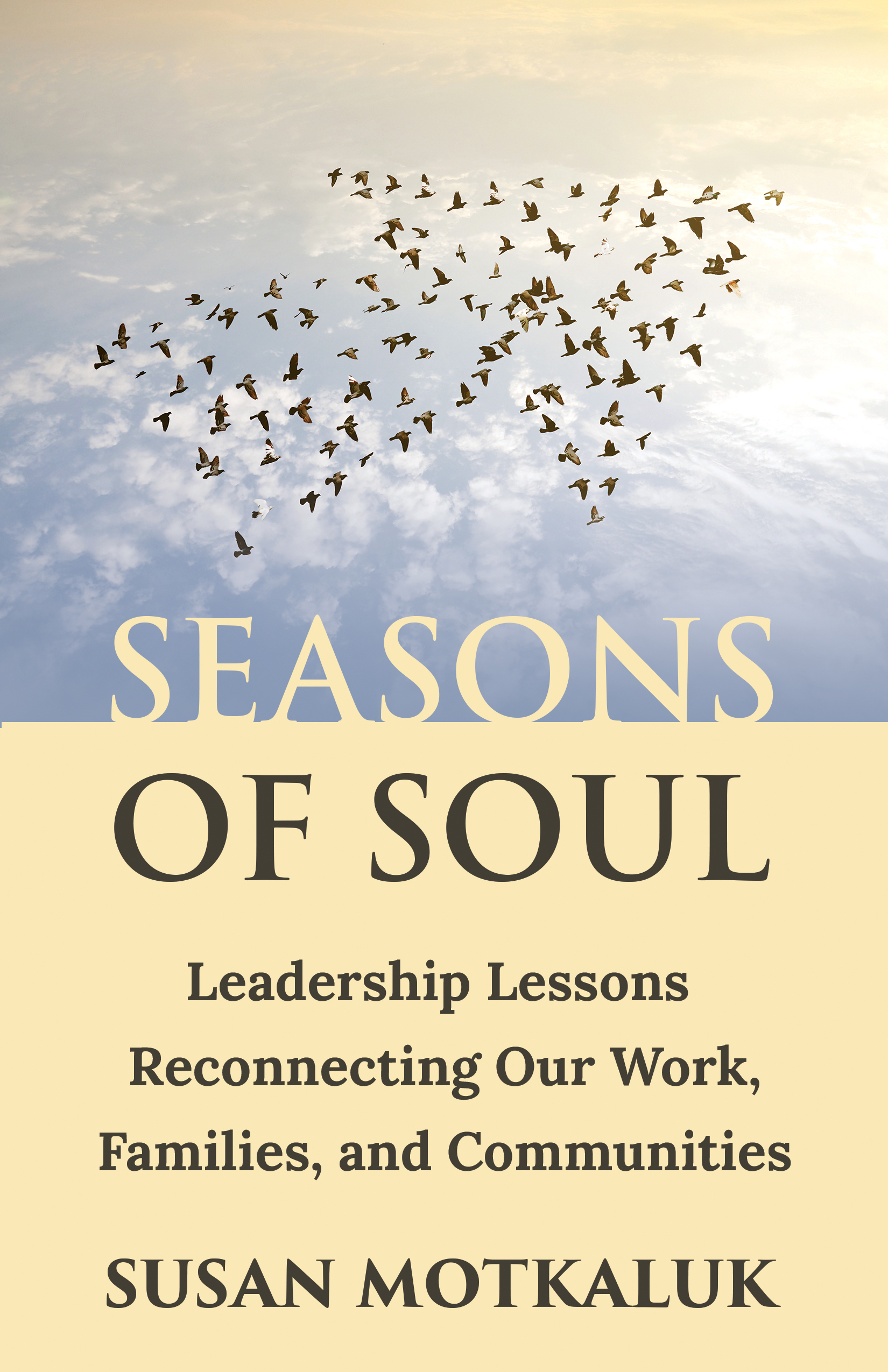
Marketing a book is often harder than actually writing it. Authors are essentially asked to switch from being deep, introverted creatives to savvy, extroverted growth hackers overnight.
The process is riddled with common friction points. Here are the top 10 problems authors face when trying to get their books into the hands of readers:
1. The “My Book is for Everyone” Trap
Authors often fear limiting their potential sales, so they target incredibly broad audiences like “anyone who likes fiction.” When you market to everyone, you appeal to no one. An undefined niche dilutes ad targeting, blurb phrasing, and keyword choices, causing the book to get lost in a sea of generic noise.
2. Pouring Money into Ads Without Reviews
Running Meta or Amazon ads for a book with zero social proof is a classic money pit. Reviews build the trust required for a stranger to press “Buy.” Pushing paid traffic to a product page with no validation results in high click costs and zero conversions.
3. “Buy My Book!” Social Media Fatigue
Many authors use social platforms like a virtual megaphone rather than a cocktail party. Repeatedly blasting automated sales pitches (“Out now! Click the link!”) drives audiences away. Authors frequently struggle to master the 80/20 rule: 80% engaging, value-driven, or entertaining content, and only 20% direct promotion.
4. Breaking Visual Genre Expectations
An author might fall in love with an artistic, ambiguous cover concept, but if it doesn’t immediately signal its specific genre, it fails. A sci-fi book that looks like a literary memoir or a thriller that looks like a contemporary romance confuses browsing readers. Visual cues rule the marketplace.
5. Skipping the Pre-Launch Phase
Waiting until release day to start marketing is a massive structural error. Authors miss the critical 4-to-6-week pre-launch window where they should be building anticipation, collecting early email sign-ups, and distributing Advanced Review Copies (ARCs) to secure day-one reviews.
6. The Missing Direct Ecosystem (No Email List)
Relying entirely on rented land like TikTok, Instagram, or X is incredibly risky because algorithms change overnight. Many authors fail to build a dedicated email list or offer “reader magnets” (free short stories, checklists, or bonus chapters) to convert casual browsers into long-term subscribers they can reach directly.
7. Falling Victim to “Hope-Selling” Scams
Because book promotion is overwhelming, the self-publishing space is full of predatory agencies offering overpriced press releases, shady email blasts, or “guaranteed bestseller” badges. Authors frequently burn through thousands of dollars on these packages, which sell hope rather than actual sales velocity.
8. Misunderstanding Search Intent and Metadata
A brilliant book will sit completely invisible if its digital footprint is weak. Authors often struggle with optimizing backend keywords, subtitle structures, and Amazon categories. If the metadata doesn’t accurately reflect what readers are typing into search boxes, the algorithm won’t surface the book.
9. The “One-and-Done” Launch Mentality
Many authors treat a book release like a singular, explosive event. They exhaust their entire budget, time, and emotional energy in the first week, only to face a steep drop-off in visibility by week two. In reality, book marketing requires sustained, long-term systems rather than a 48-hour sprint.
10. Ultimate Creative Burnout
Marketing requires a completely different cognitive skillset than writing. Trying to master graphic design, copywriting, ad management, and networking while trying to protect sacred writing time leads to immense overwhelm. Many authors find the process so draining that it paralyzes their ability to write the next book.
Now, here is the toolkit to fix those marketing bottlenecks, broken down into actionable, high-impact steps:
1. Escaping the “Everyone” Trap
Find Your “Comps”: Identify 3 to 5 authors who write exactly like you but are slightly more successful. Look at their Amazon reviews and Goodreads shelves. What specific tropes are their readers raving about?
The “Laser Formula”: Fill in this blank: My book is for fans of [Author A] who wish there was more [Specific Trope/Vibe] like in [Author B]. (e.g., It’s A Court of Thorns and Roses meets Succession). Use this formula in your elevator pitches and ad copy.
2. Securing Reviews Before Running Ads
Build an ARC Team: Use Advanced Review Copy platforms like BookSirens, BookSprout, or NetGalley 4 to 6 weeks before your launch. These platforms put your book in front of avid reviewers who cross-post to Amazon and Goodreads.
The 5-Review Threshold: Do not spend a single dollar on paid Facebook or Amazon ads until your book has at least 5 to 10 honest reviews. Ads send traffic; reviews convert that traffic into cash.
3. Curing Social Media Fatigue
The 80/20 Content Split: For every 10 posts, 8 should provide entertainment, value, or connection, and only 2 should ask for a sale.
Document, Don’t Create: Stop trying to be a marketing guru. Instead, share your messy writing desk, your playlist for Chapter 4, your reaction to a bad proof copy, or a funny character debate you had in your head. Readers love the process of creation.
4. Nailing Your Visual Genre Cues
The “Squint Test”: Go to the Amazon Best Seller list for your specific subgenre. Squint your eyes. What colors dominate? (Thrillers are often dark with neon yellow/red text; Romances are pastels or saturated jewel tones).
Hire a Genre Specialist: Do not hire a general graphic designer or use Canva templates. Hire a cover designer who specializes in your specific genre. They know the subconscious triggers that make readers click.
5. Structuring a Pre-Launch Roadmap
The 60-Day Countdown: * Day 60: Cover reveal and set up the Amazon pre-order page.
Day 45: Send digital ARCs to your review team.
Day 30: Run a giveaway for a signed physical copy to build email sign-ups.
Day 14: Tease early reviewer quotes on social media.
Day 0: Launch day with an existing pool of hungry readers and ready-to-go reviews.
6. Building Your Direct Ecosystem
Create a Reader Magnet: Write a 10,000-word prequel novella, a deleted scene from a fan-favorite character’s POV, or a character art lookbook.
The Bait and Switch: Put a link to this freebie on the very first page and the very last page of your book. Use a service like MailerLite or ConvertKit to capture their email addresses in exchange for the freebie. Now you own your audience.
7. Dodging the “Hope-Selling” Scams
The Watchdog Check: Before handing over money to any marketing agency, publicist, or award site, look them up on the Alliance of Independent Authors (ALLi) Watchdog Desk or Writer Beware.
The Golden Rule: If a service approaches you out of the blue via Instagram DM or email promising “guaranteed Amazon bestseller status,” it is almost always a scam. Real marketing firms rarely cold-DM indie authors.
8. Optimizing Search Intent (Metadata)
Steal Auto-Fill Data: Go to the Amazon search bar in incognito mode. Type in your genre (e.g., “Cozy mystery with…”) and see what Amazon auto-fills. Those auto-fills are exactly what readers are typing.
Backend Keywords: Use tools like Publisher Rocket to find keywords with high search volume but lower competition. Use all 7 backend slots in your KDP dashboard, and weave those phrases naturally into your book description.
9. Creating an Evergreen Marketing Funnel
Newsletter Swaps: Stop stressing about solo promotions. Use platforms like BookFunnel or StoryOrigin to do cross-promotions and newsletter swaps with other authors in your genre. You recommend their book to your list; they recommend yours to theirs. It costs zero dollars.
Low and Slow Ads: Instead of a $500 blast on launch week, set up a $5-a-day Amazon or Facebook ad campaign targeting your exact comp authors. Let it run quietly in the background to maintain a steady trickle of sales.
10. Beating Creative Burnout
Pick ONE Channel: You do not need to be on TikTok, X, Instagram, Facebook, Pinterest, and Threads. Pick one platform that fits your personality (e.g., TikTok if you like video, Instagram if you like aesthetics, newsletters if you just like writing) and master it. Delete the rest.
Batch Your Tasks: Set aside just one afternoon a month to schedule your newsletters and social media posts using a tool like Buffer or Later. Once it’s automated, close down the marketing tabs and give yourself permission to just be a writer again.
Which of these 10 areas feels like the biggest roadblock for you right now?