
Why does Ingram use bisac codes but Amazon KDP does not?
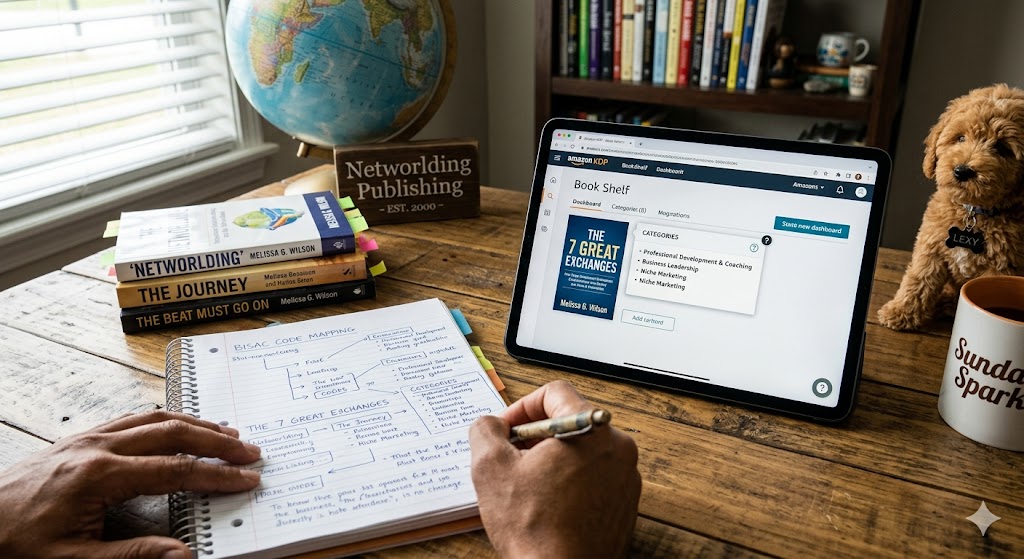
The reason for this discrepancy is that IngramSpark is a wholesale distributor serving the entire global book market, while Amazon KDP is a retail-focused platform optimized for its own proprietary shopping algorithm.
Two Systems, Different Goals
The two platforms use different “languages” because they are talking to different audiences:
| Feature | IngramSpark (BISAC) | Amazon KDP (Amazon Categories) |
| Purpose | Industry Standard: Used for physical shelving in bookstores and libraries. | Retail Performance: Used to trigger the Amazon search algorithm and bestseller lists. |
| Audience | Booksellers, Librarians, and Wholesalers. | Online Shoppers and the “A9” Algorithm. |
| Complexity | Extremely rigid; updated annually by the Book Industry Study Group (BISG). | Fluid and granular; Amazon creates new “niche” categories frequently. |
Why IngramSpark Uses BISAC
Ingram is the “middleman” for the world. When you list a book there, they send your data to thousands of retailers (Barnes & Noble, independent shops, etc.).
Interoperability: Because every bookstore has a different layout, the industry needs a “universal translator” so a shop in London and a shop in Chicago both know to put your book in the “Business & Economics / Mentoring & Coaching” section.
The “Physical” Constraint: BISAC codes tell a clerk exactly which physical shelf your book belongs on.
Why Amazon KDP Moved Away from BISAC
Until mid-2023, KDP did use BISAC codes during setup. However, they changed to their own Amazon Categories for several reasons:
Customer Behavior: Amazon cares about how people search, not how they shelf. Their internal “Browse Nodes” are much more specific (e.g., Clean & Wholesome Romance) than standard BISAC codes.
Algorithm Training: By having you select their specific categories, Amazon can more accurately place your book in front of customers who buy similar titles.
Simplicity for Authors: Most self-published authors found the 5,000+ BISAC codes confusing. Amazon’s current interface lets you choose from the actual categories readers see on the site.
What This Means for You
Even though you don’t pick a BISAC code on KDP anymore, Amazon assigns one for you in the background based on the categories you choose. This “hidden” code is what they send to external tracking sites.
If you are publishing “wide” (on both platforms), you should try to align your Ingram BISACs as closely as possible to your Amazon Categories to ensure your branding remains consistent across the web.
For a deeper dive into how these categories affect your actual sales and rankings, this guide is quite helpful: Understanding Amazon Categories vs BISAC Codes
This video explains the practical differences between the two platforms and how to navigate the categorization process for better book visibility.
The reason for this difference comes down to Industry Infrastructure versus Platform Propriety.
Essentially, IngramSpark acts as a “wholesaler to the world,” while Amazon KDP acts as a “private marketplace.”
1. IngramSpark: The Industry “Passport.”
IngramSpark is a distributor. When you upload a book there, they don’t just sell it themselves; they send your book’s data (metadata) to thousands of other places—Barnes & Noble, independent bookstores, and libraries.
Standardization: BISAC (Book Industry Standards and Communications) is the “universal language” of the book trade.
Physical Shelving: Libraries and bookstores use these codes to know exactly where to physically place your book on a shelf.
Interoperability: Because every bookstore’s computer system understands BISAC, Ingram uses it to ensure your book is “filed” correctly across the entire global supply chain.
2. Amazon KDP: The “The Walled Garden.”
Amazon is a retailer with its own ecosystem. While they used to let authors choose BISAC codes, they overhauled their system in 2023 to move away from them for a few reasons:
Customer Experience: Amazon cares about how a customer “browses” a website, not how a librarian shelves a book. Their “Browse Categories” are much more granular (e.g., “Arthurian Romance”) than broad BISAC codes.
Algorithmic Control: Amazon uses its own proprietary taxonomy to feed its recommendation engine. By having their own categories, they can change them instantly based on shopping trends without waiting for the Book Industry Study Group to approve a new BISAC code.
Automatic Mapping: Behind the scenes, Amazon still “translates” your selected categories into BISAC codes for its internal records, but it no longer asks you to do so because its internal mapping is more efficient for its website’s search bar.
Comparison at a Glance
Tip: Even though Amazon no longer asks for them, you should still use the BISAC codes you chose for Ingram to guide your category selection on Amazon. This ensures your book is consistently categorized across the entire internet.